Artificial intelligence first entered many workplaces as an assistant. Employees could ask questions, summarise information, generate content or receive suggestions while remaining responsible for carrying out the work itself.
Digital coworkers extend that relationship.
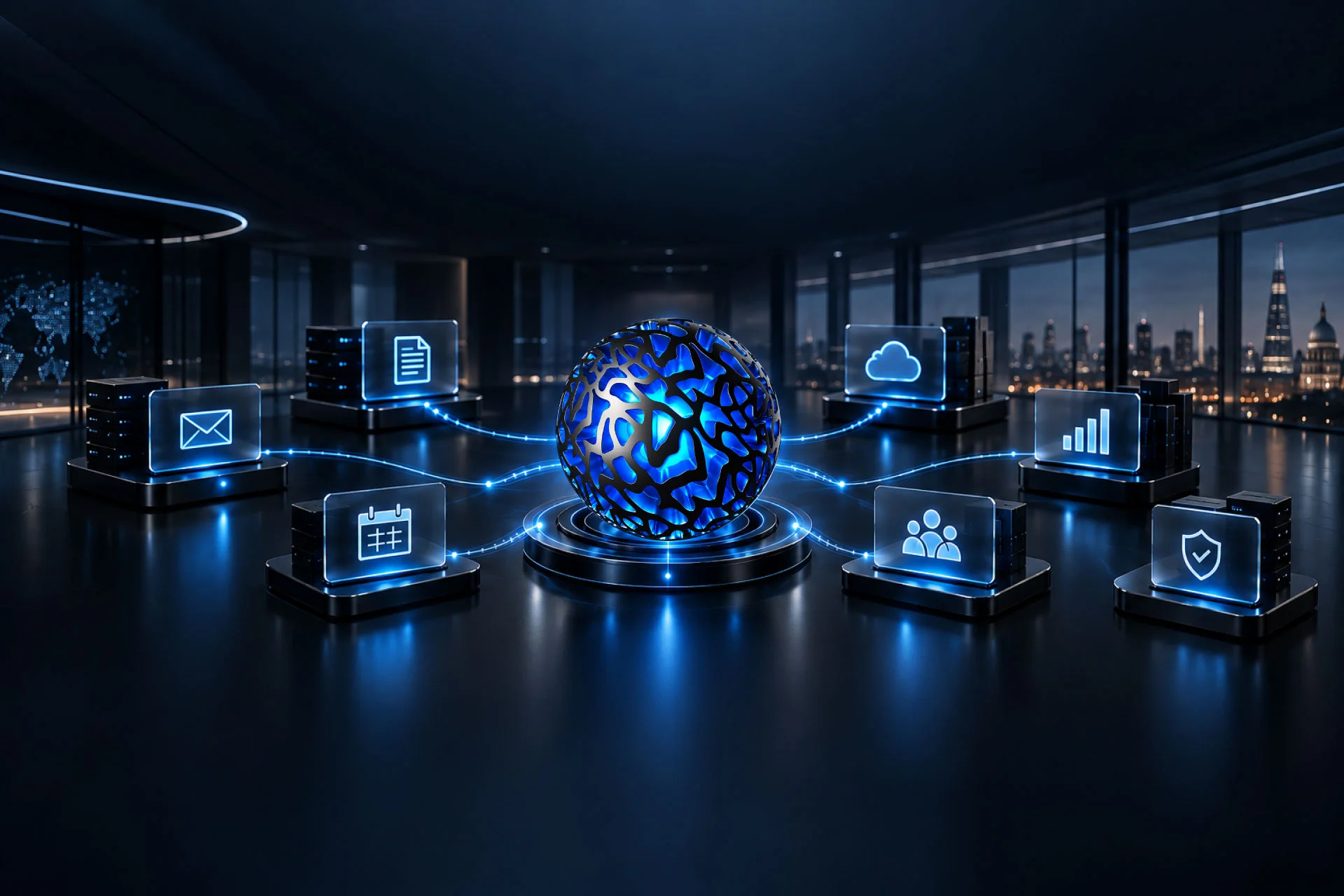
Rather than operating only when prompted, intelligent systems can become part of defined business processes. They can work with authorised information, interact with connected systems and assist with activities that would otherwise require people to move repeatedly between applications.
This changes the role of AI within the enterprise. Intelligence becomes less of a destination employees visit and more of a capability that can participate in everyday work.
The opportunity is not to imitate people. It is to determine which activities technology can support effectively and how that capability should operate alongside employees.
From Conversation to Participation
A conversational interface can make sophisticated technology easier to use, but conversation alone does not create a digital coworker.
The greater value emerges when intelligence has sufficient context to understand the task, appropriate access to the systems involved and clearly defined boundaries around what it is permitted to do.
A digital coworker might retrieve information from several authorised sources, prepare material for review, coordinate routine activities or help an employee complete a process without requiring them to navigate each underlying system individually.
This creates a different relationship between people and enterprise software. Employees remain responsible for work that requires judgement, relationships and accountability, while intelligent systems can assist with the operational activity surrounding it.
The result is not simply a faster chatbot. It is a more practical way for people and intelligent systems to work together.
Working Alongside People
Digital coworkers become more useful when their role is clearly defined within the organisation.
Some activities may involve gathering information, preparing documents, coordinating routine tasks or maintaining continuity between different systems. Others will continue to depend on experience, judgement, negotiation or responsibility that appropriately remains with people.
The value comes from combining these strengths rather than treating one as a replacement for the other.
A well-designed digital coworker can reduce the operational effort surrounding a person’s work. Instead of repeatedly searching for information, transferring details between systems or completing predictable administrative steps, employees can spend more time on activities where their knowledge and judgement contribute greater value.
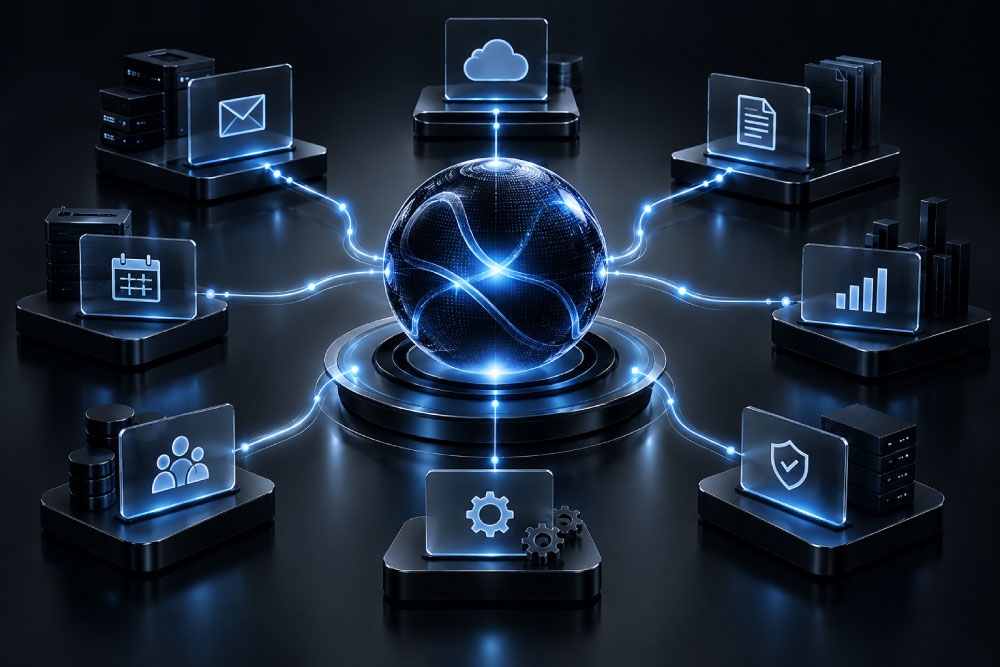
As these systems develop, organisations will also be able to define different digital coworkers around particular roles, responsibilities and operating environments. Each can work within established permissions while drawing upon the systems and organisational knowledge relevant to its purpose.
This represents a significant evolution in enterprise software. The interface is no longer the only place where work happens. Intelligence itself can begin participating in the process.
For 15.Group, the opportunity is to develop digital coworkers that are useful, connected and appropriately controlled, giving people practical intelligent capability within the environments where they already work.