
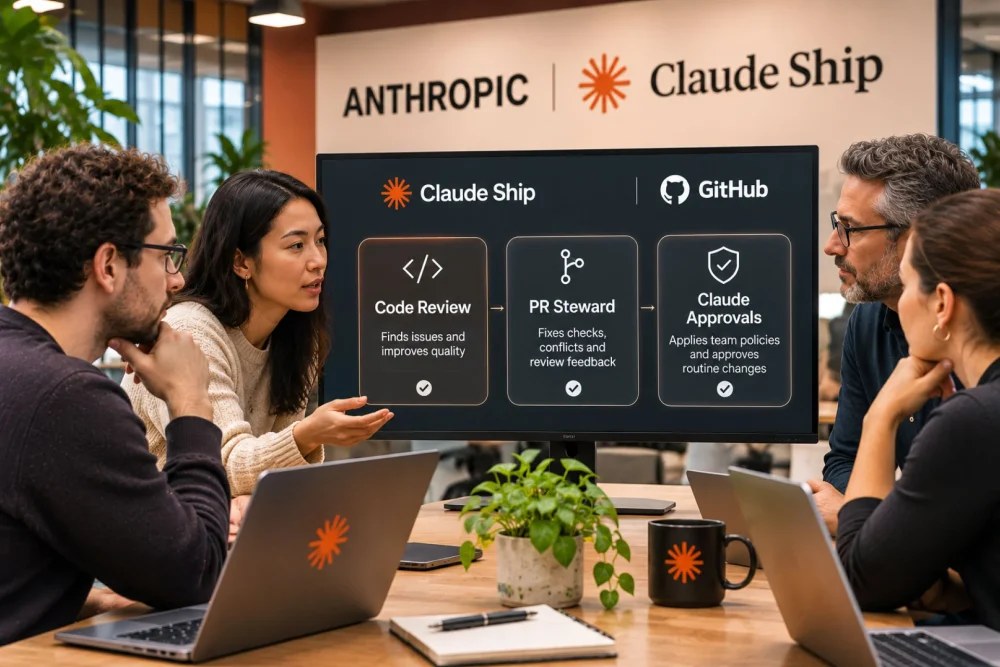
Anthropic’s Claude Ship extends intelligent automation across the software development lifecycle, enabling AI agents to review code, resolve development issues and support approval processes within defined organisational governance frameworks.
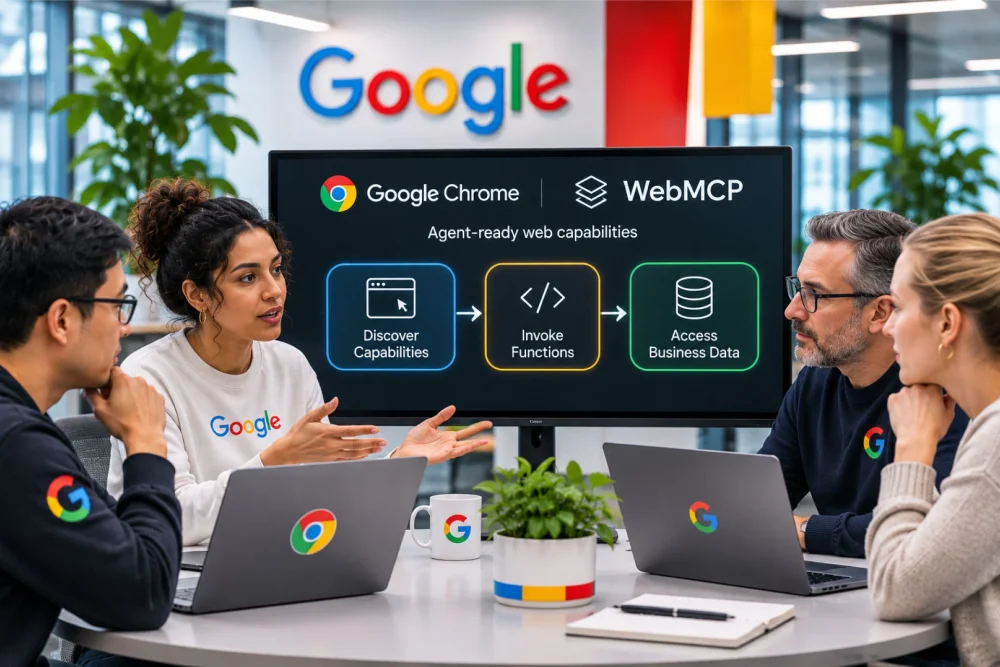
Google’s WebMCP initiative introduces a new approach to connecting intelligent agents with web applications, creating opportunities for structured interactions, intelligent automation and more accessible digital services.
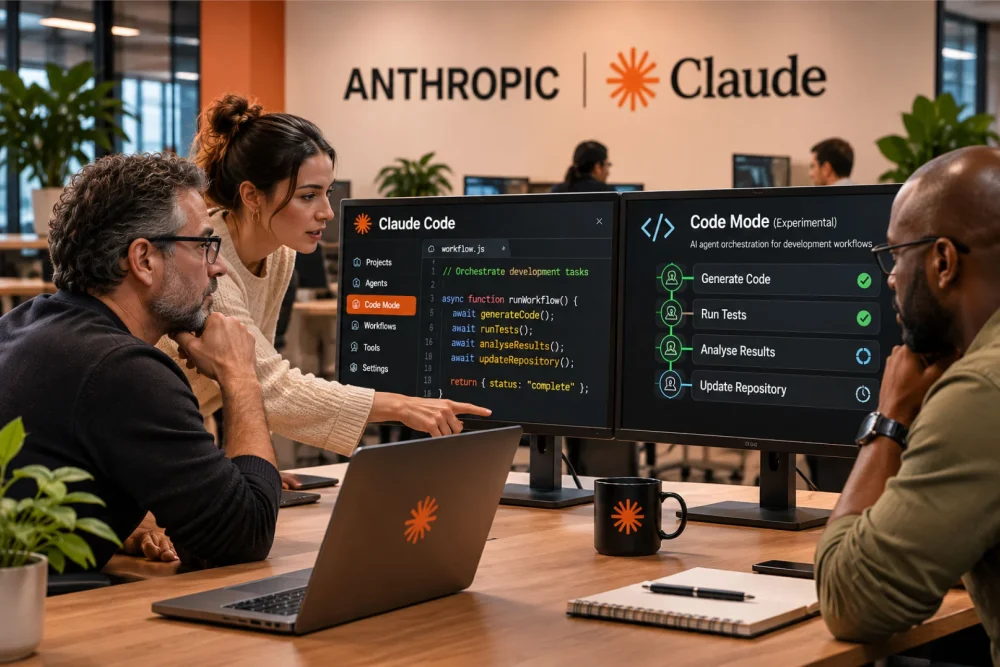
Anthropic’s experimental Code Mode introduces a new approach to AI agent orchestration, enabling intelligent systems to coordinate multiple software development tasks through programmable workflows while retaining operational controls.
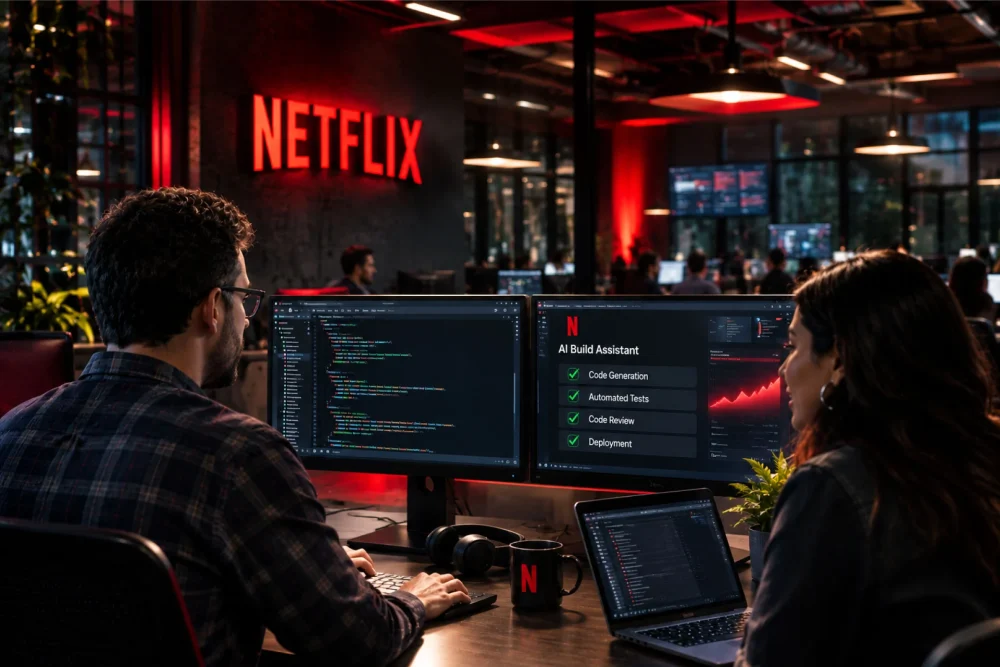
Netflix is demonstrating how AI coding agents can operate alongside software engineers within structured development environments, combining increased productivity with architectural discipline, operational governance and human accountability.
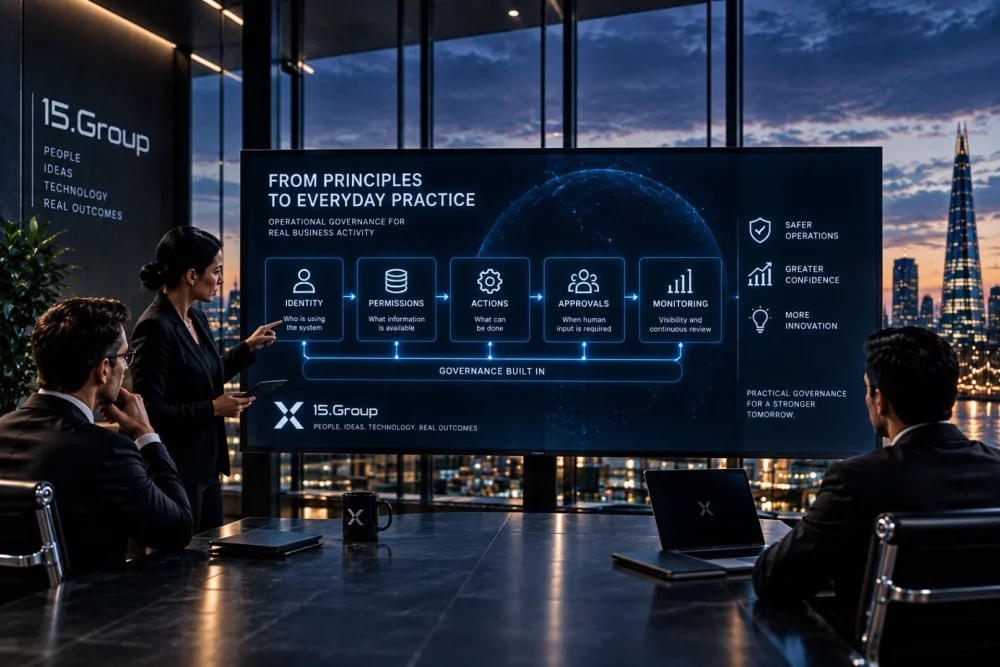
As artificial intelligence becomes embedded within everyday business processes, governance can no longer exist only as policy. Organisations need practical controls that determine what intelligent systems can access, what actions they can perform, when people must remain involved and how responsibility is maintained when AI participates in real operational activity.
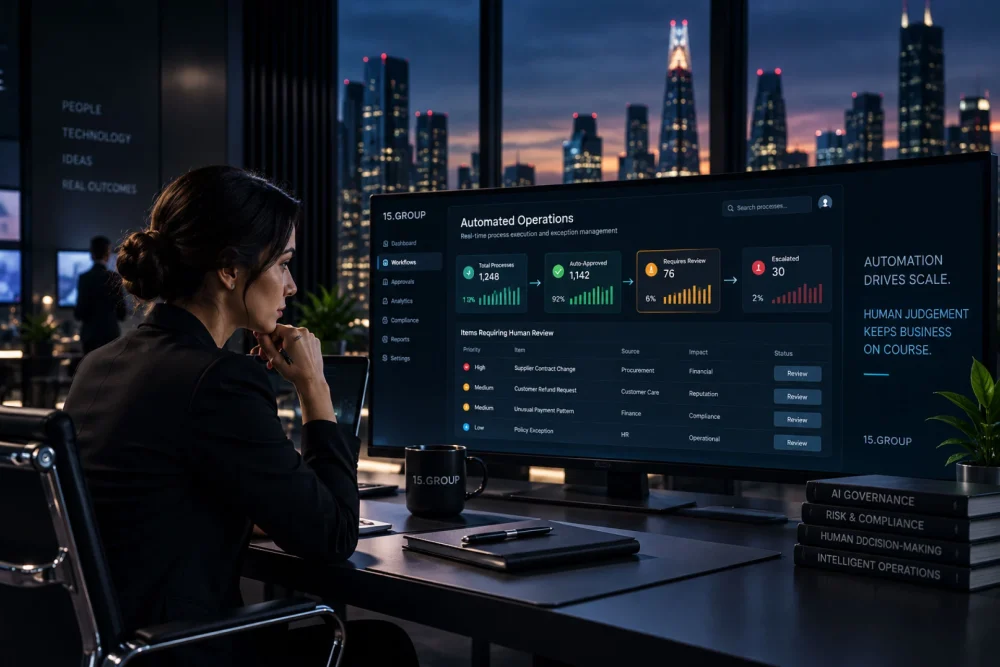
Automation can remove repetitive work, accelerate processes and allow intelligent systems to take on increasingly complex tasks. The harder question is deciding where organisations should retain human judgement, approval and accountability as those systems become more autonomous.
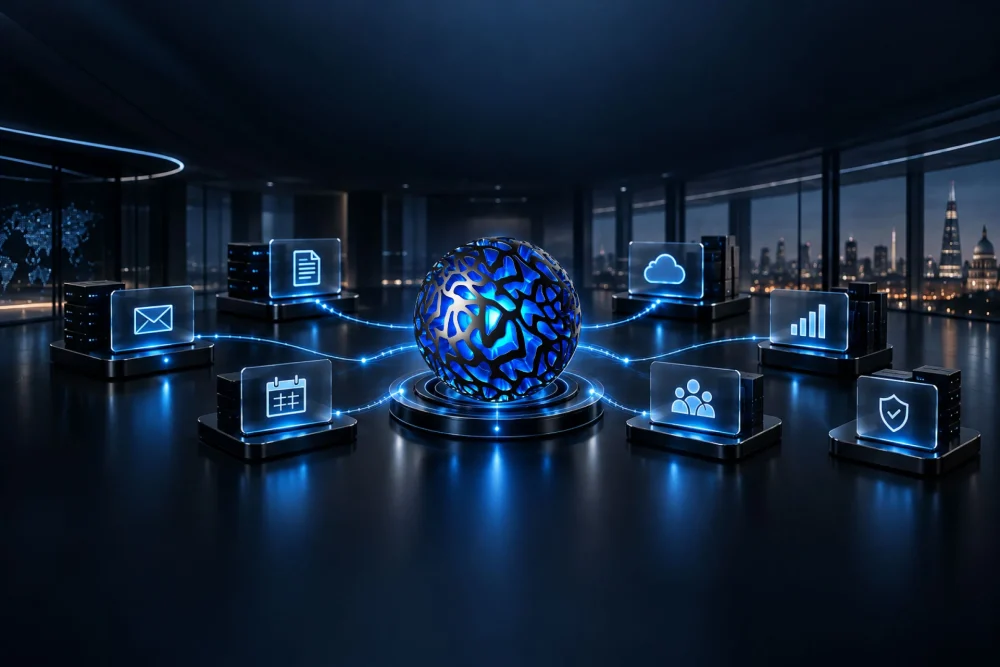
AI is moving beyond answering questions and generating content. Digital coworkers represent the next stage, where intelligent systems can understand context, work within authorised business environments and assist with defined activities alongside people. This shift has the potential to make artificial intelligence a practical participant in everyday enterprise operations rather than simply another tool employees use.

Artificial intelligence is becoming easier to acquire but considerably harder to integrate meaningfully into an organisation. The more important question is no longer whether a business can use AI, but whether its people, systems, information and processes are capable of working intelligently together.
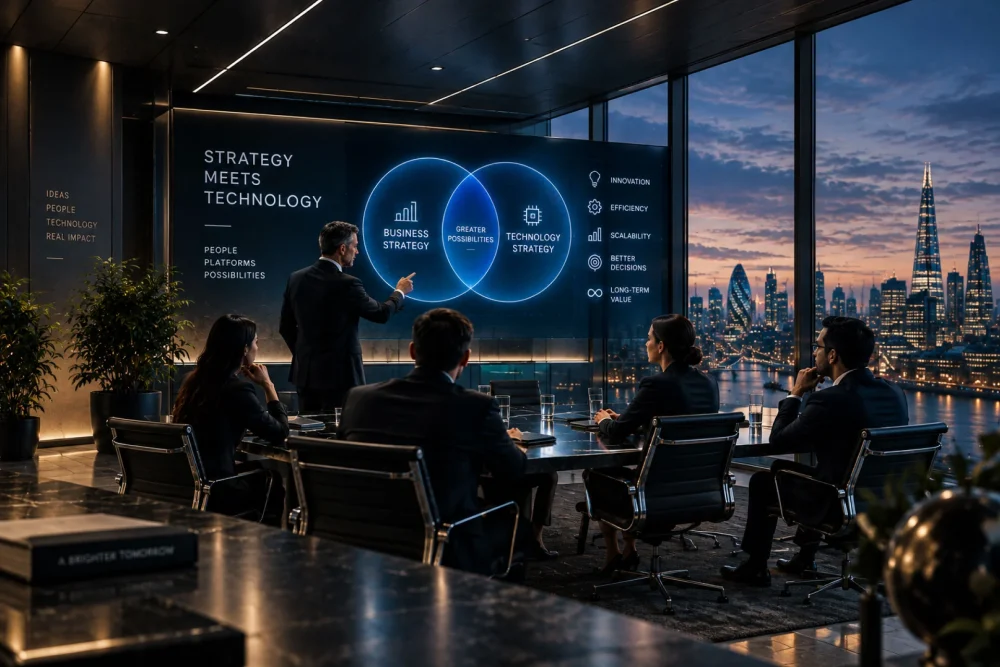
Technology is no longer confined to an IT department or a collection of supporting systems. It increasingly shapes how organisations serve customers, coordinate operations, develop products and compete. As the distinction between business strategy and technology strategy continues to narrow, organisations need to reconsider where technology sits within the business.

Organisations already possess enormous amounts of knowledge, but much of it remains scattered across documents, systems, conversations and individual experience. The opportunity for enterprise AI is not simply to create more information. It is to make existing organisational knowledge easier to find, understand and apply when people need it.