


Collaborative Innovation
Work alongside specialists across software, artificial intelligence, engineering and design, bringing different perspectives together to solve complex challenges.


Research & Development
Contribute to emerging technologies, practical experimentation and the development of intelligent systems designed for real-world business applications.




- Editorial
- September 22, 2026
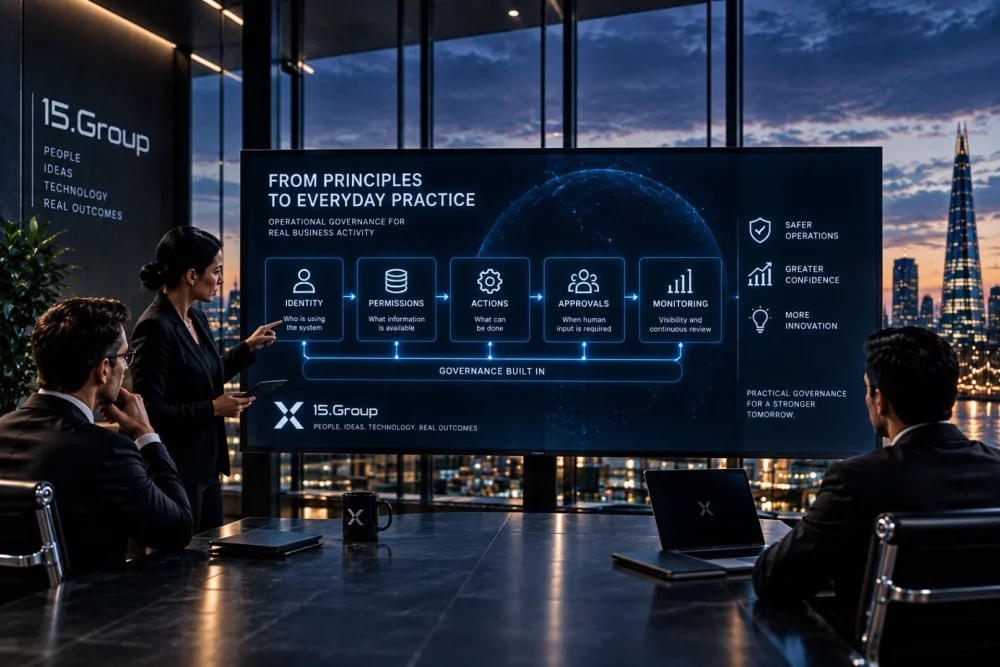
As artificial intelligence becomes embedded within everyday business processes, governance can no longer exist only as policy. Organisations need practical controls that determine what intelligent systems can access, what actions they can perform, when people must remain involved and how responsibility is maintained when AI participates in real operational activity.
- Editorial
- September 22, 2026
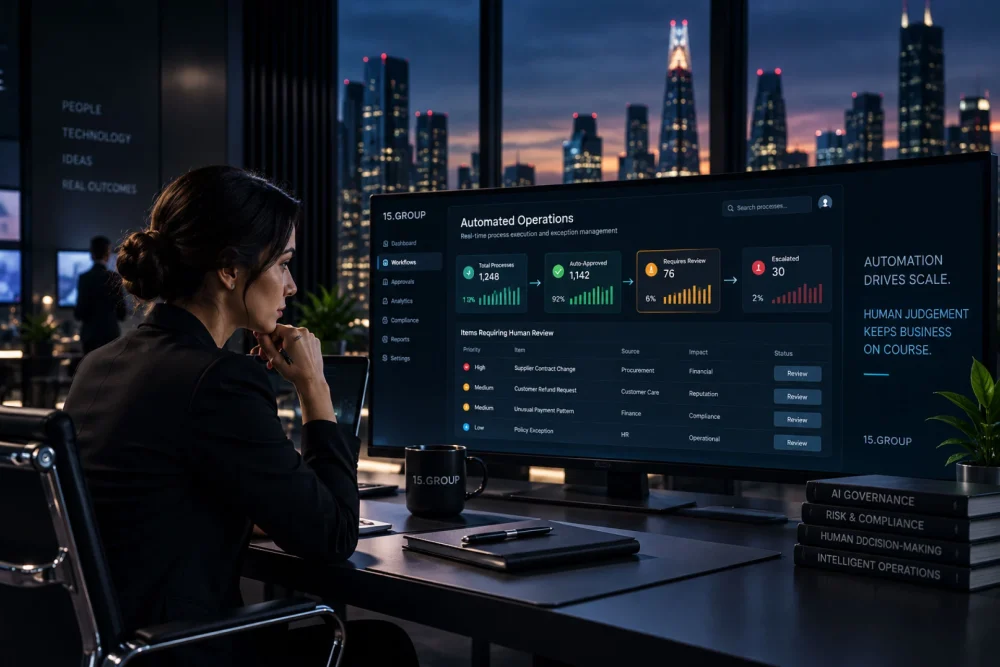
Automation can remove repetitive work, accelerate processes and allow intelligent systems to take on increasingly complex tasks. The harder question is deciding where organisations should retain human judgement, approval and accountability as those systems become more autonomous.
- Editorial
- September 22, 2026
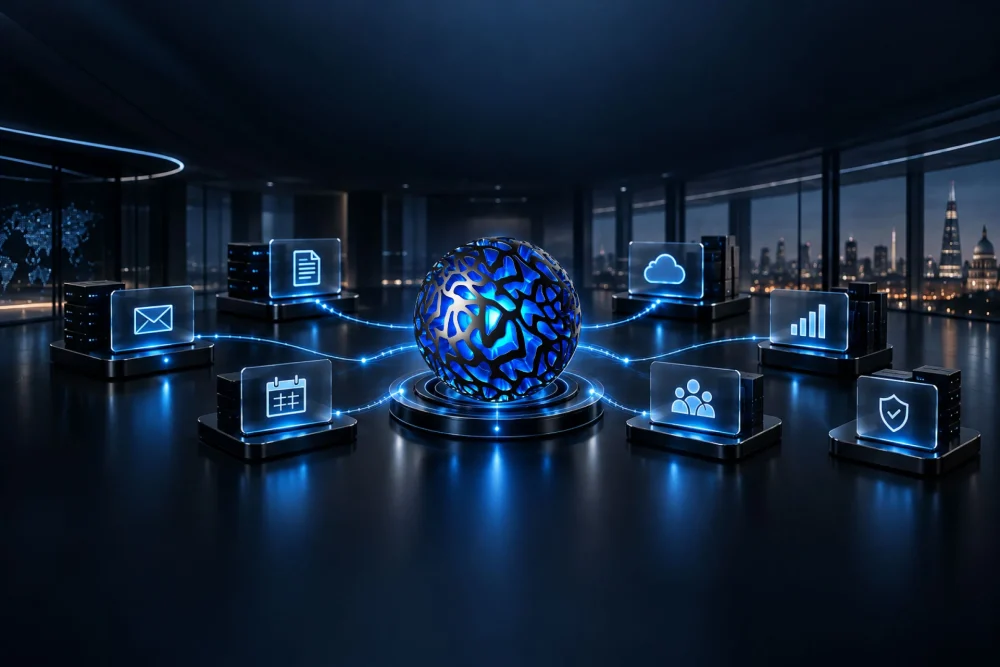
AI is moving beyond answering questions and generating content. Digital coworkers represent the next stage, where intelligent systems can understand context, work within authorised business environments and assist with defined activities alongside people. This shift has the potential to make artificial intelligence a practical participant in everyday enterprise operations rather than simply another tool employees use.
- Feature
- September 21, 2026
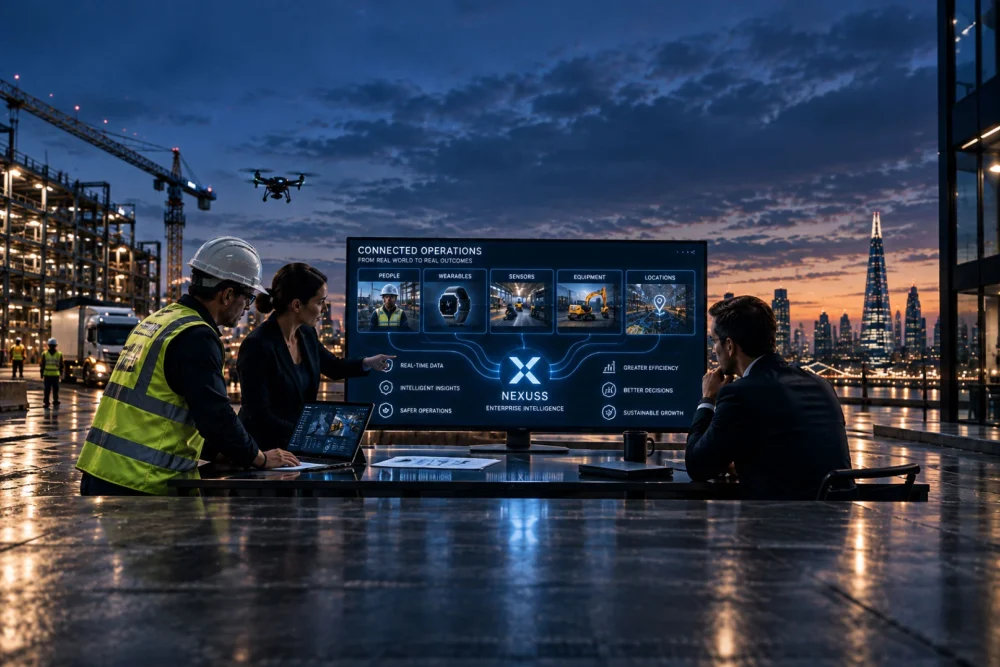
Enterprise technology is moving beyond computers, applications and conventional business systems. Wearables, sensors, connected equipment and intelligent devices can extend digital capability into physical environments, creating new ways for organisations to capture information, support people and understand what is happening beyond the traditional workplace.
- Feature
- September 21, 2026
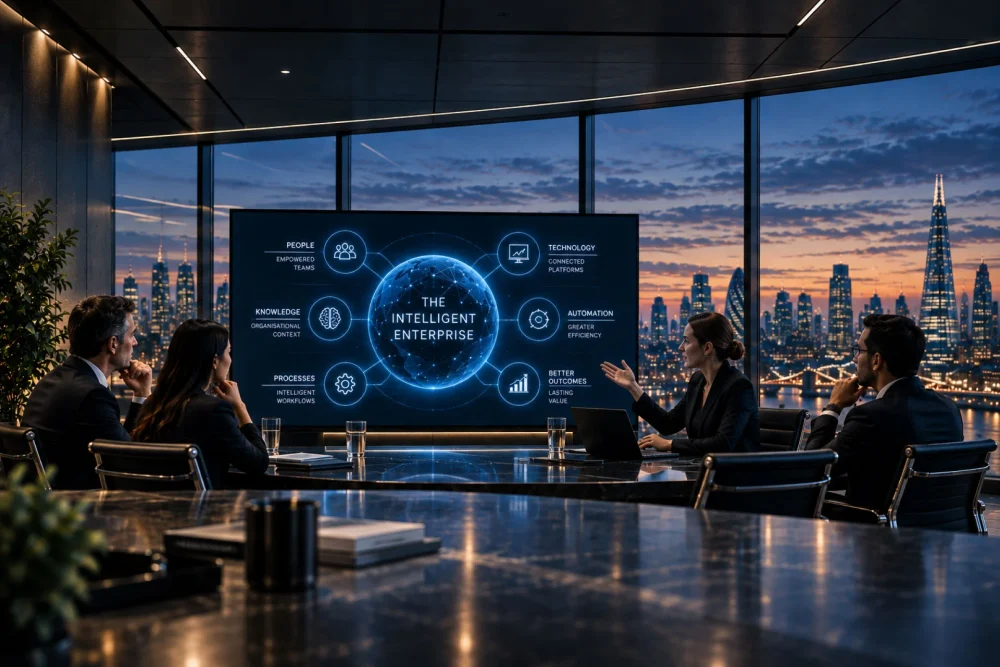
Artificial intelligence is beginning to change more than individual tasks. As intelligence becomes connected with enterprise systems, organisational knowledge, workflows and people, it can influence how an entire business operates. The intelligent enterprise is not defined by how much AI it uses, but by how effectively technology, information and human capability work together.

- Editorial
- September 21, 2026
Artificial intelligence is becoming easier to acquire but considerably harder to integrate meaningfully into an organisation. The more important question is no longer whether a business can use AI, but whether its people, systems, information and processes are capable of working intelligently together.