
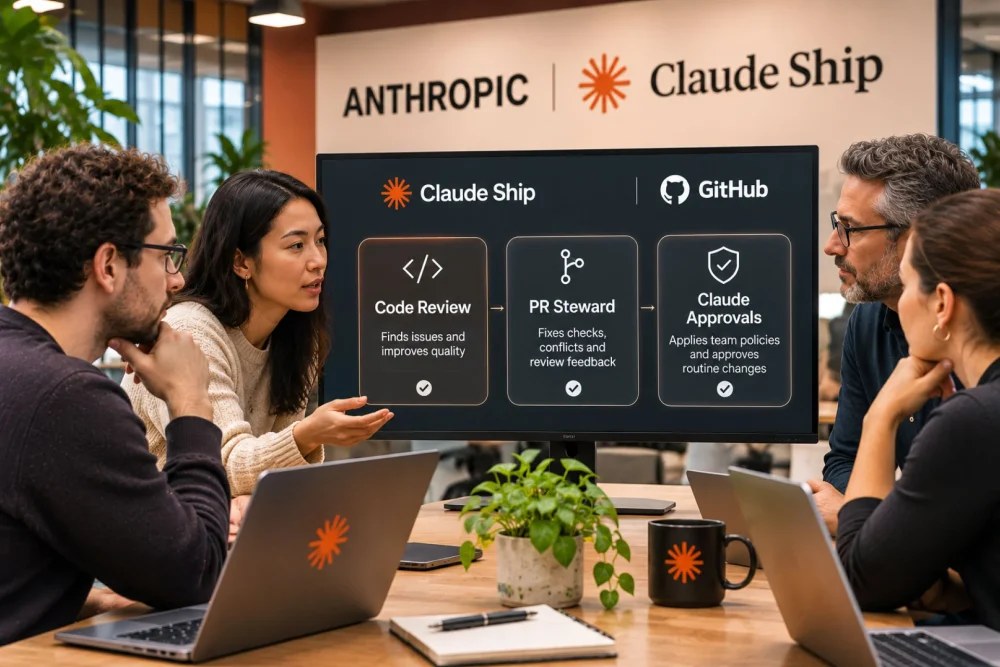
Anthropic’s Claude Ship extends intelligent automation across the software development lifecycle, enabling AI agents to review code, resolve development issues and support approval processes within defined organisational governance frameworks.
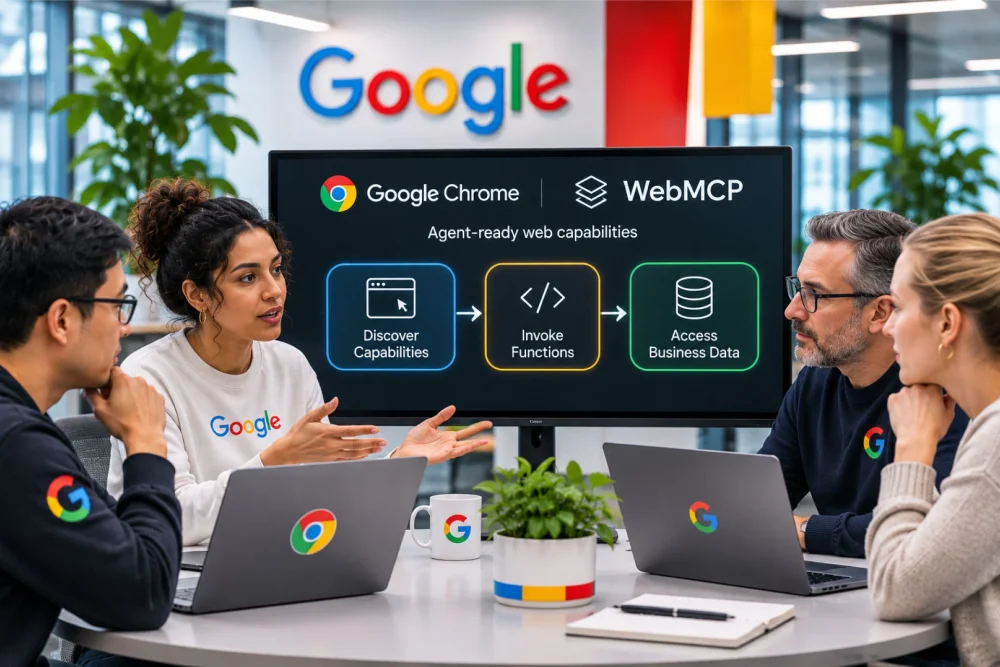
Google’s WebMCP initiative introduces a new approach to connecting intelligent agents with web applications, creating opportunities for structured interactions, intelligent automation and more accessible digital services.
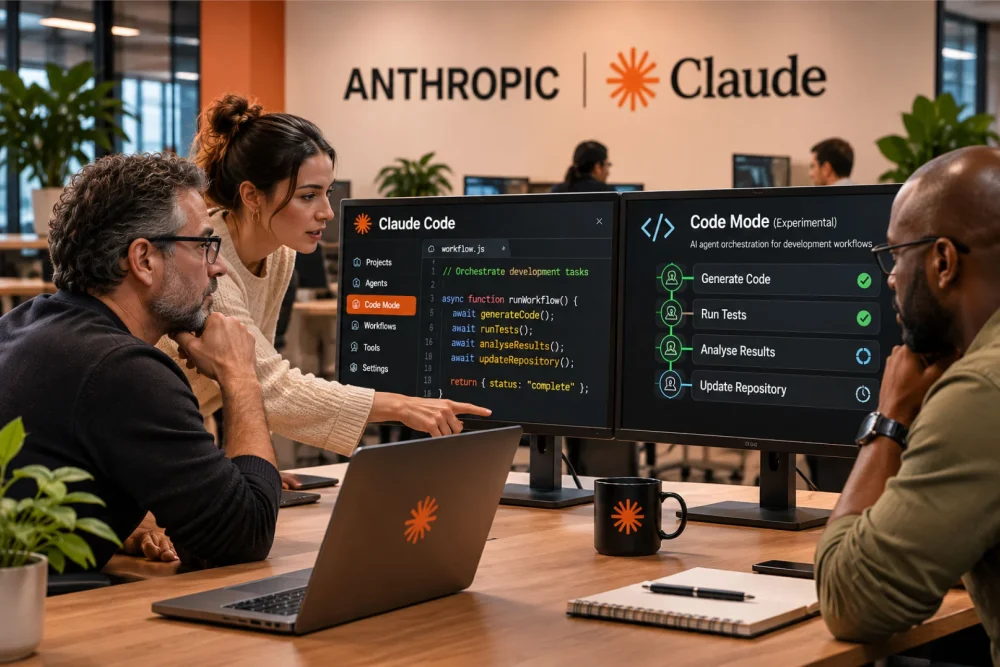
Anthropic’s experimental Code Mode introduces a new approach to AI agent orchestration, enabling intelligent systems to coordinate multiple software development tasks through programmable workflows while retaining operational controls.
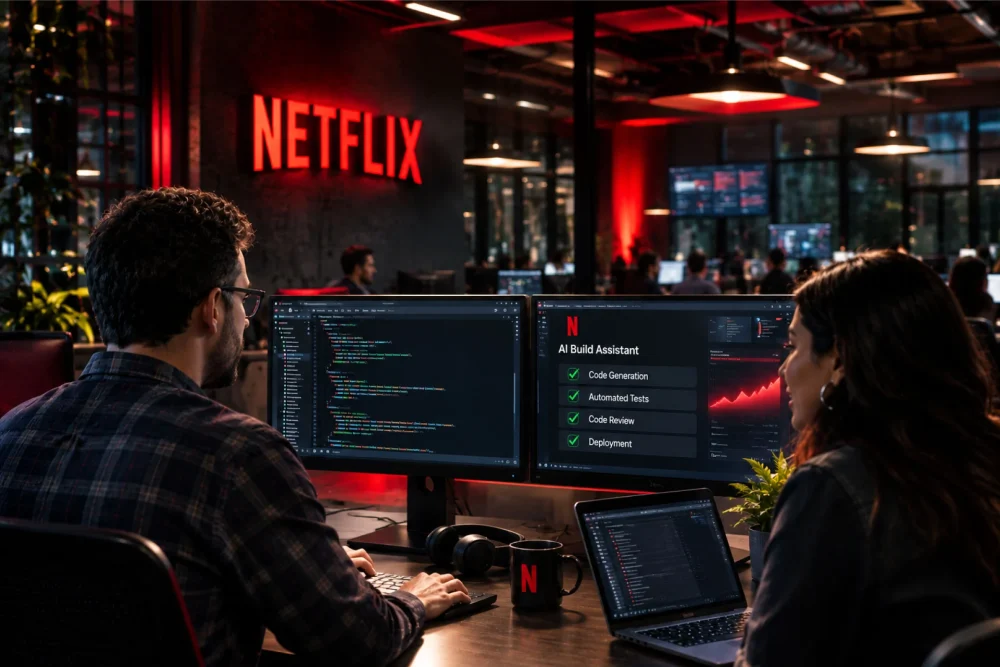
Netflix is demonstrating how AI coding agents can operate alongside software engineers within structured development environments, combining increased productivity with architectural discipline, operational governance and human accountability.
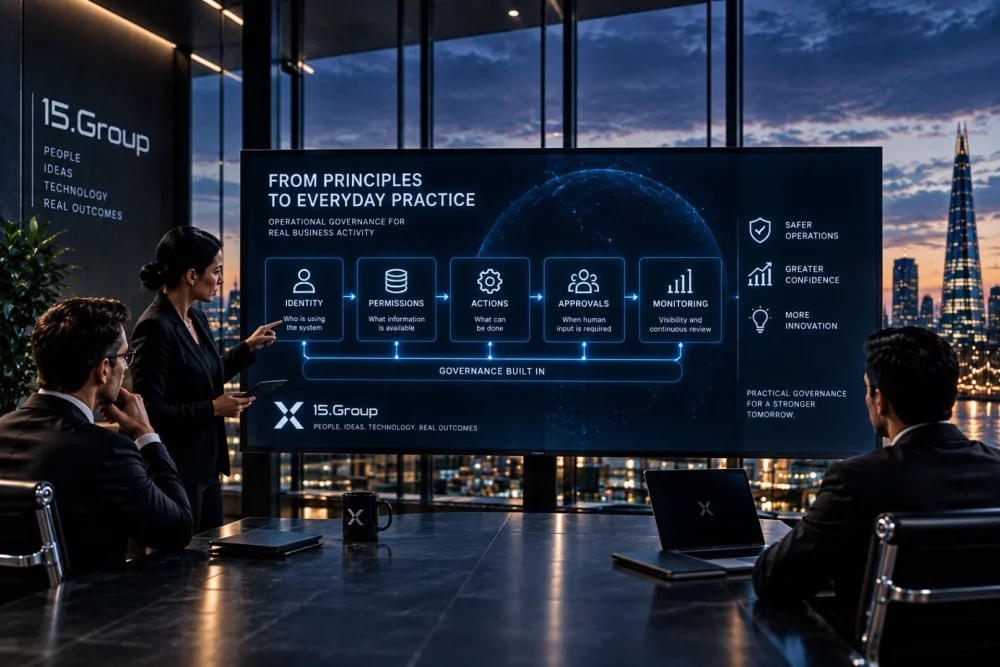
As artificial intelligence becomes embedded within everyday business processes, governance can no longer exist only as policy. Organisations need practical controls that determine what intelligent systems can access, what actions they can perform, when people must remain involved and how responsibility is maintained when AI participates in real operational activity.
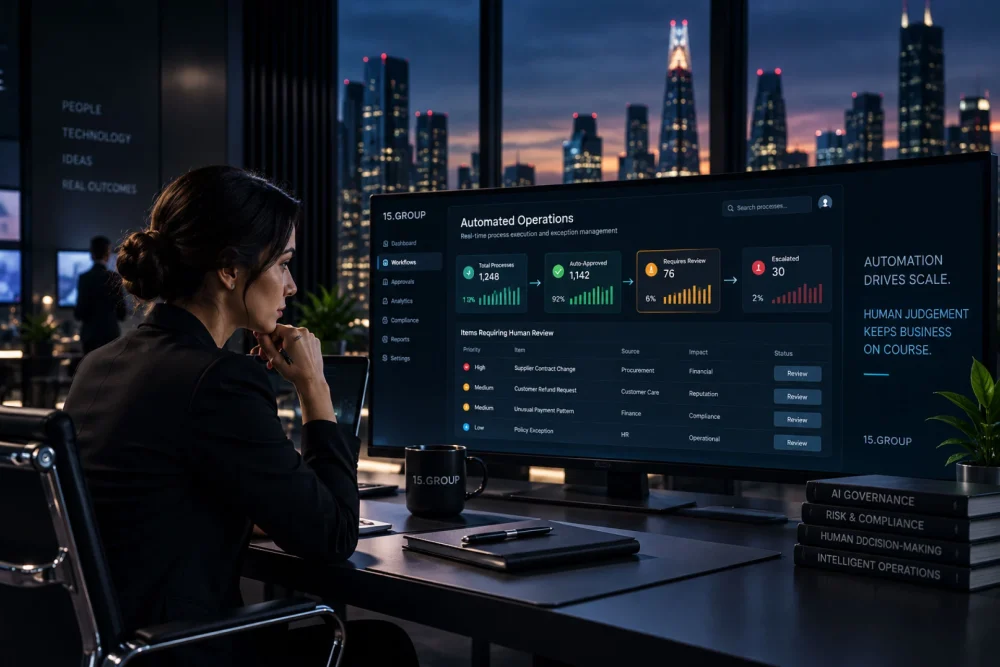
Automation can remove repetitive work, accelerate processes and allow intelligent systems to take on increasingly complex tasks. The harder question is deciding where organisations should retain human judgement, approval and accountability as those systems become more autonomous.